


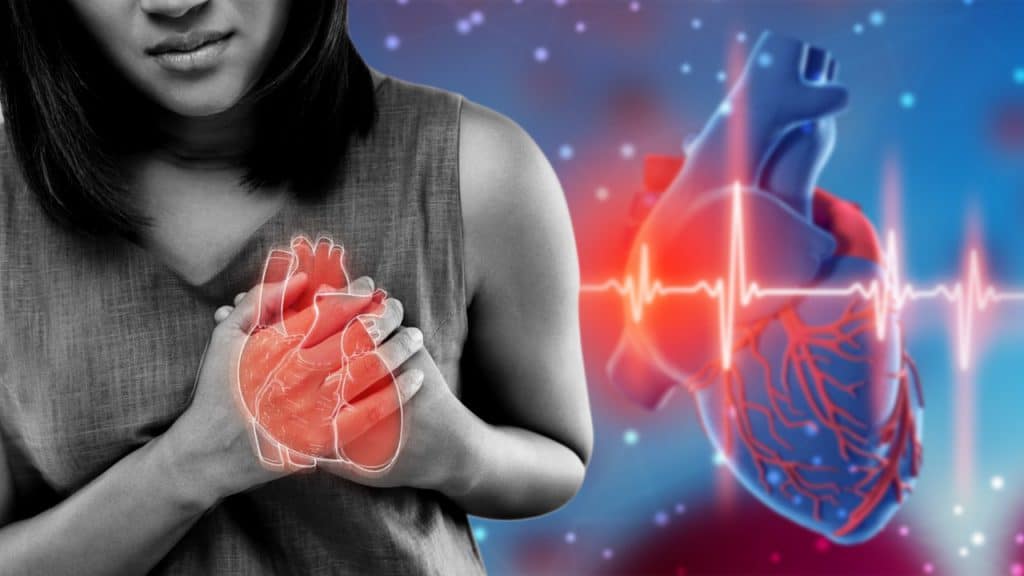
HEART HEALTH ALERT: THE HIDDEN RISK FOR WOMEN AND THE LIFE-SAVING SIGNS
Cardiovascular disease poses a significantly greater threat to women than is widely acknowledged, with the severity and mortality risk of heart attacks differing starkly based on sex. The World Heart Foundation reports that women are more likely to die following a heart attack than men. This disparity is grave, considering cardiovascular diseases are responsible for up to 30% of female deaths. Counter to common perception, heart disease claims nearly twice as many lives in women as all forms of cancer combined.
Adding to the complexity, the European Society of Cardiology has highlighted that younger women at risk often do not present the ‘typical’ image of a heart attack patient, frequently appearing outwardly healthy. To deepen understanding of this critical disparity, a cardiologist, Dr. Manpreet S. Salooja, emphasized the urgent need to strengthen awareness so women can identify subtle warning signs and seek prompt medical attention.
THE SEX-SPECIFIC CARDIOVASCULAR RISKS
The biological differences between the sexes mean women are predisposed to certain cardiovascular conditions. Dr. Salooja confirmed that women face an increased risk of developing specific issues, including:
- Coronary Artery Disease (CAD)
- Heart Failure with Preserved Ejection Fraction (HFpEF)
- Atrial Fibrillation
This heightened vulnerability is fundamentally rooted in hormonal differences, which play a primary role in baseline heart health. While genetics and lifestyle factors can accelerate this risk, the hormonal environment provides a major source of predisposition.
THE CRITICAL DIFFERENCE IN WARNING SIGNS
A major contributor to the higher mortality rate in women is the difference in heart attack symptoms. While chest pain remains the best-known sign, it’s not always the primary or most severe symptom for women. Dr. Salooja stressed that the warning signs women typically experience often overlap with everyday ailments, which tragically leads to delayed diagnosis and treatment.
The symptoms women are more likely to experience include:
- Shortness of Breath
- Nausea
- Dizziness
- Fatigue
Because these non-specific signs can easily be dismissed as stress, indigestion, or simply being “under the weather,” valuable time is lost before a life-saving diagnosis can be made.
THE HORMONAL CAUSE: ESTROGEN’S PROTECTIVE ROLE
The root causes of this increased cardiac risk are deeply intertwined with hormonal changes, particularly those occurring during and after menopause. Dr. Salooja explained the essential, protective function of estrogen:
“One of the major factors is the protective function of estrogen, which preserves healthy blood vessels and lowers cholesterol.”
The steep decline in estrogen following menopause removes this crucial shield, putting women at a significantly increased risk for heart disease. This hormonal shift is a major biological driver of the health disparity.
Beyond natural hormonal shifts, a woman’s heart risk accelerates when she is diagnosed with other systemic conditions. The presence of high blood pressure, diabetes, and high cholesterol further compounds the danger, increasing her heart attack risks significantly. This scientific understanding reinforces a timeless health principle: adopting a healthy lifestyle is non-negotiable. Even with natural physical changes and hormonal predispositions, maintaining a proper diet and consuming nutritious foods remains the most powerful defense against cardiovascular risks, strengthening the body to combat underlying vulnerabilities.
Also Read: THE AGING-DEFYING SECRET: JENNIFER ANISTON’S FITNESS FORMULA REVEALED!